
test
Why do some people
love to move?
We are decoding the neurobiology that makes physical activity rewarding and translating those discoveries into healthier, happier lives.
The Problem
While 95% of adults recognize that physical inactivity harms health, 60% – 95% of adults fall short of recommended physical activity levels.
The Potential
Although psychological and environmental factors matter, strong evidence indicates biological factors significantly regulate physical activity participation.
The Solution
The PAM Lab uses cutting-edge molecular, genetic, and neuroscientific techniques to study biological determinants of motivation to develop effective therapies.
Our Team
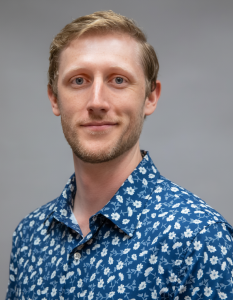
Ayland Letsinger, PhD
Background: Postdoc in Neurobiology (NIEHS); PhD in Exercise Physiology (Texas A&M)
Hometown: Brackettville, TX
Enjoys music, painting, laughter, and hiking.
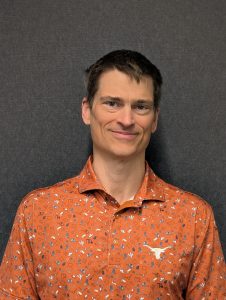
Frederick Goertz, MD
Background: MD (UTMB); BS Exercise Science (UT Austin)
Hometown: Austin, TX
“Is the Psychometrician and a member of the Triple Nine Society, Helliq, and Mensa societies.”
Graduate Students
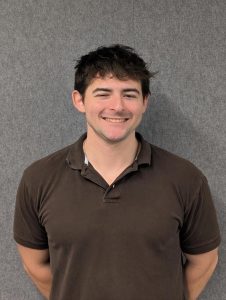


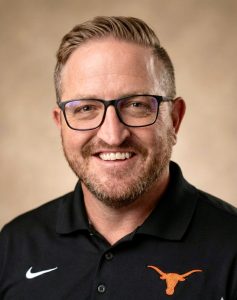
Nam Zhang, BS
BS Primary Education, University of Macau
Undergraduate Students
Angela John
BS Neuroscience

Taha Zubair
BS Exercise Science
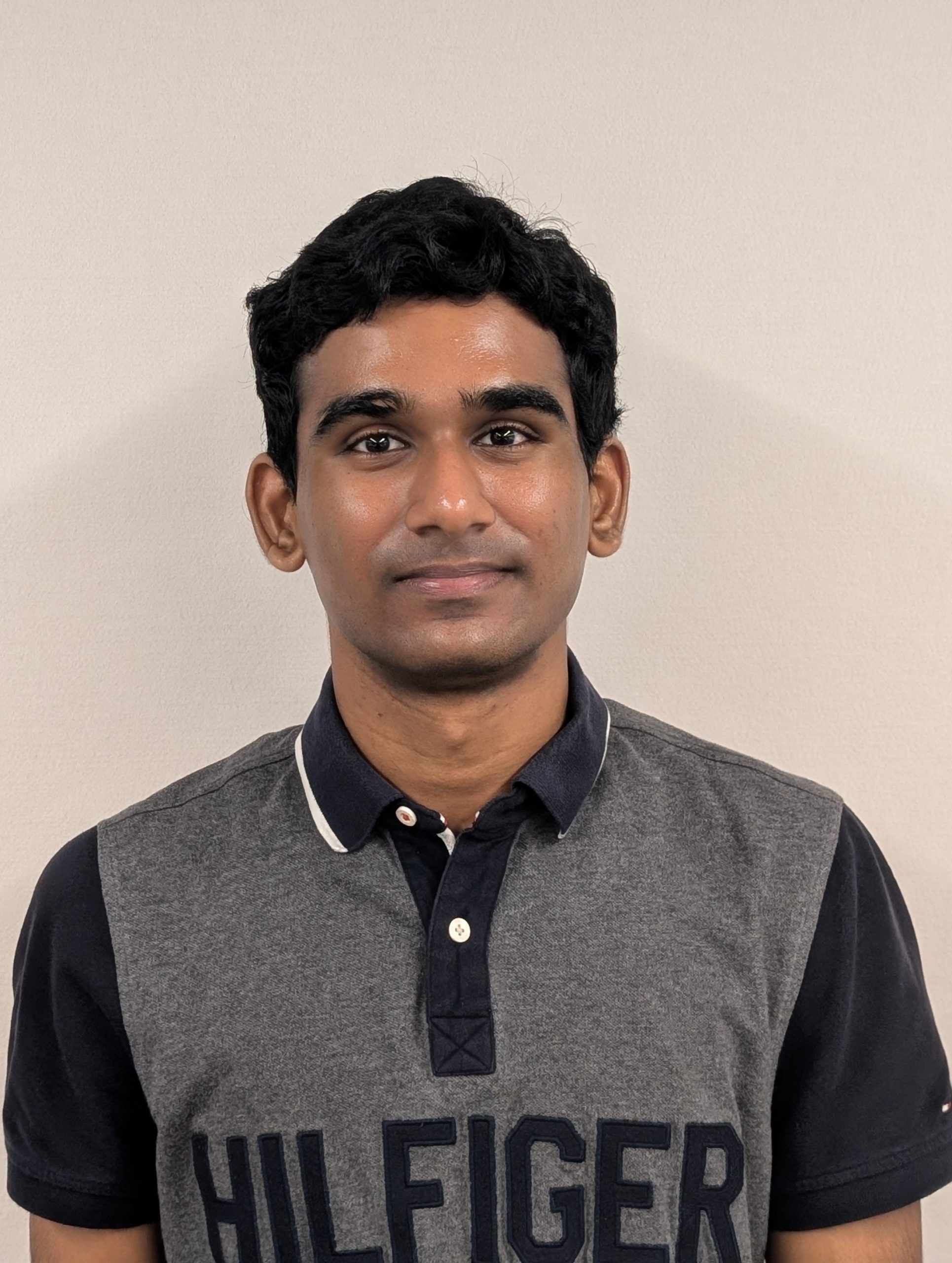
Gautam Vannapu
BS Health Promotion
Micallie Miller
BS Exercise Science
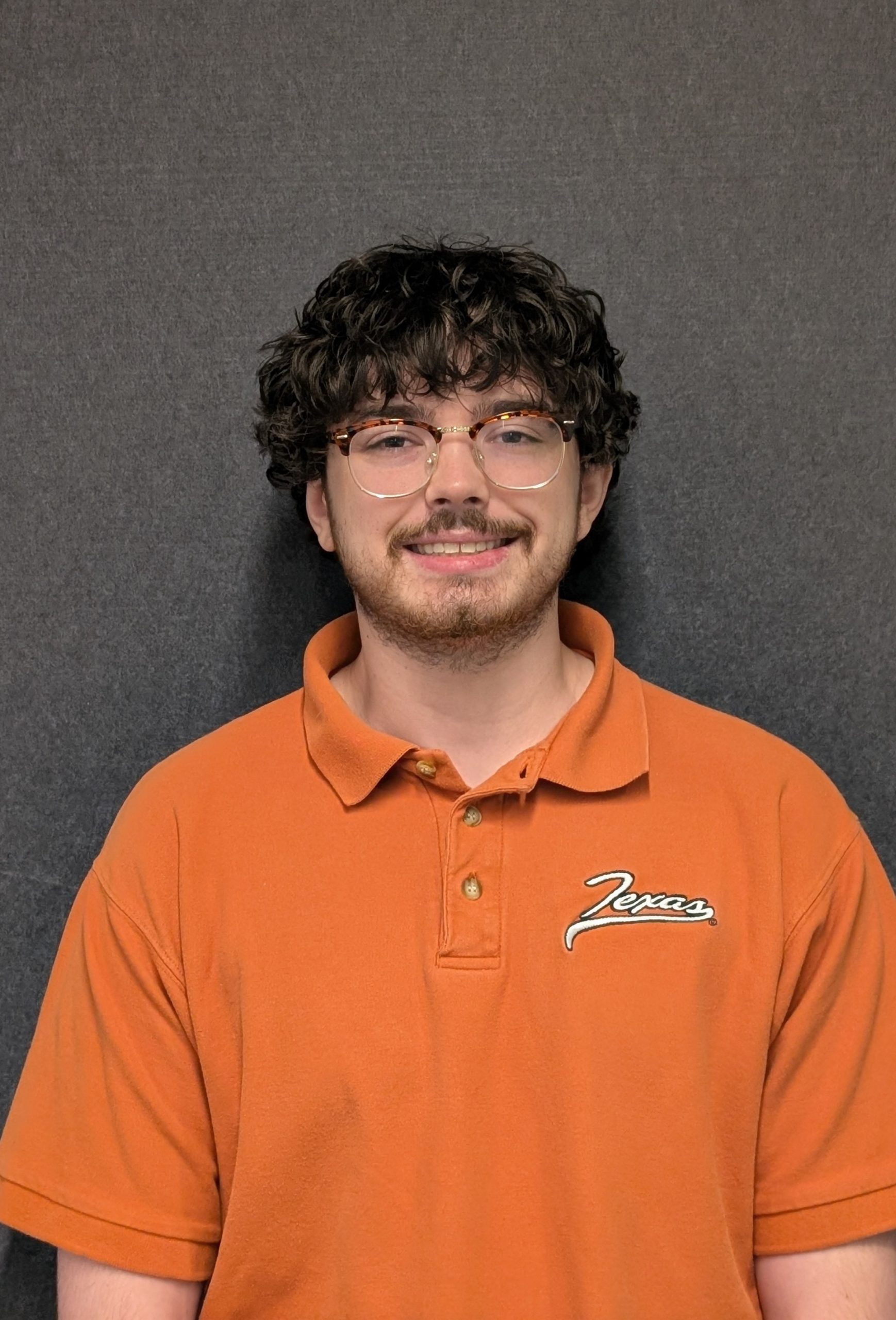
Jake Reynolds
BS Sociology
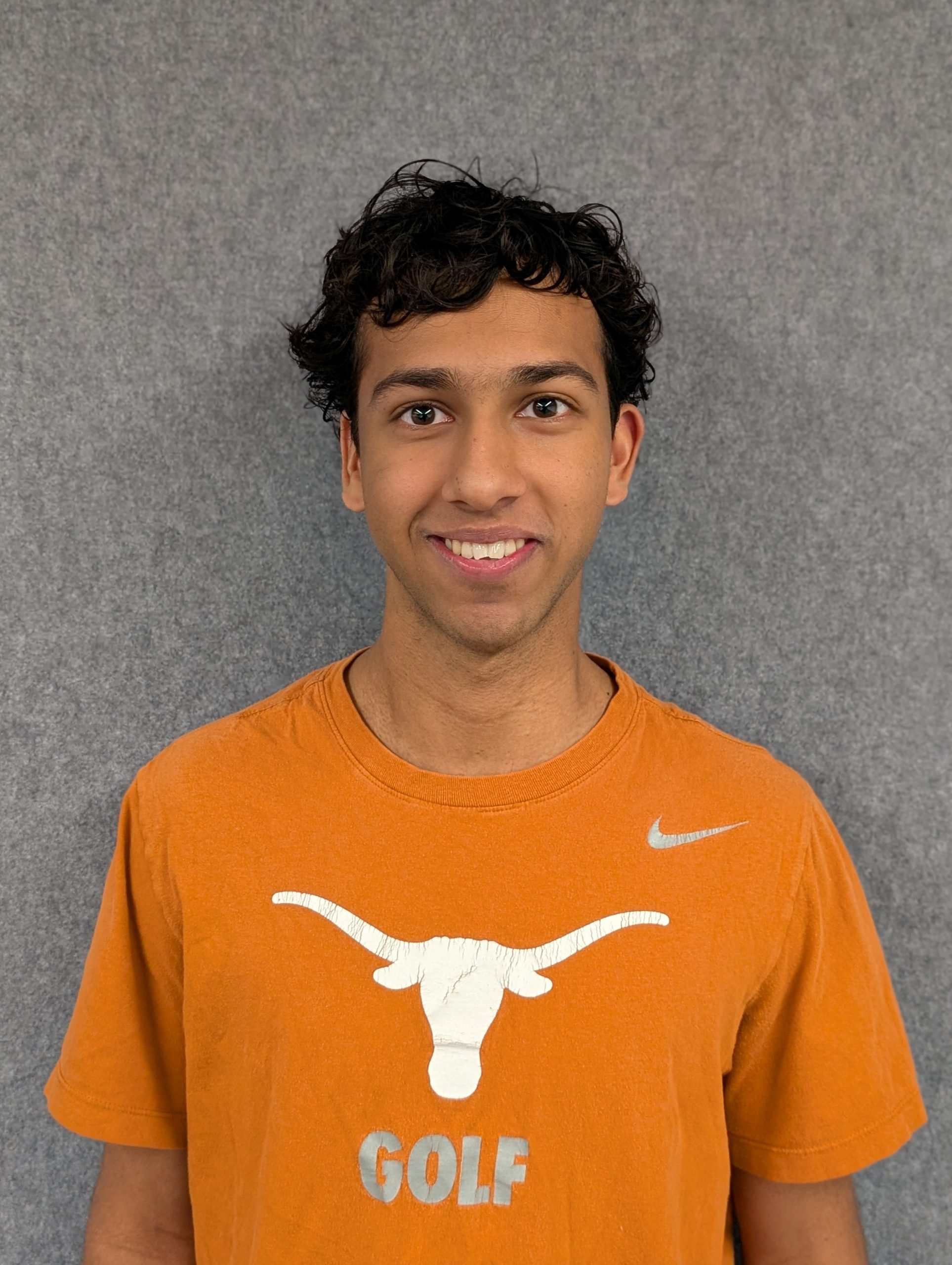
Vishal Dhingra
BS Kinesiology
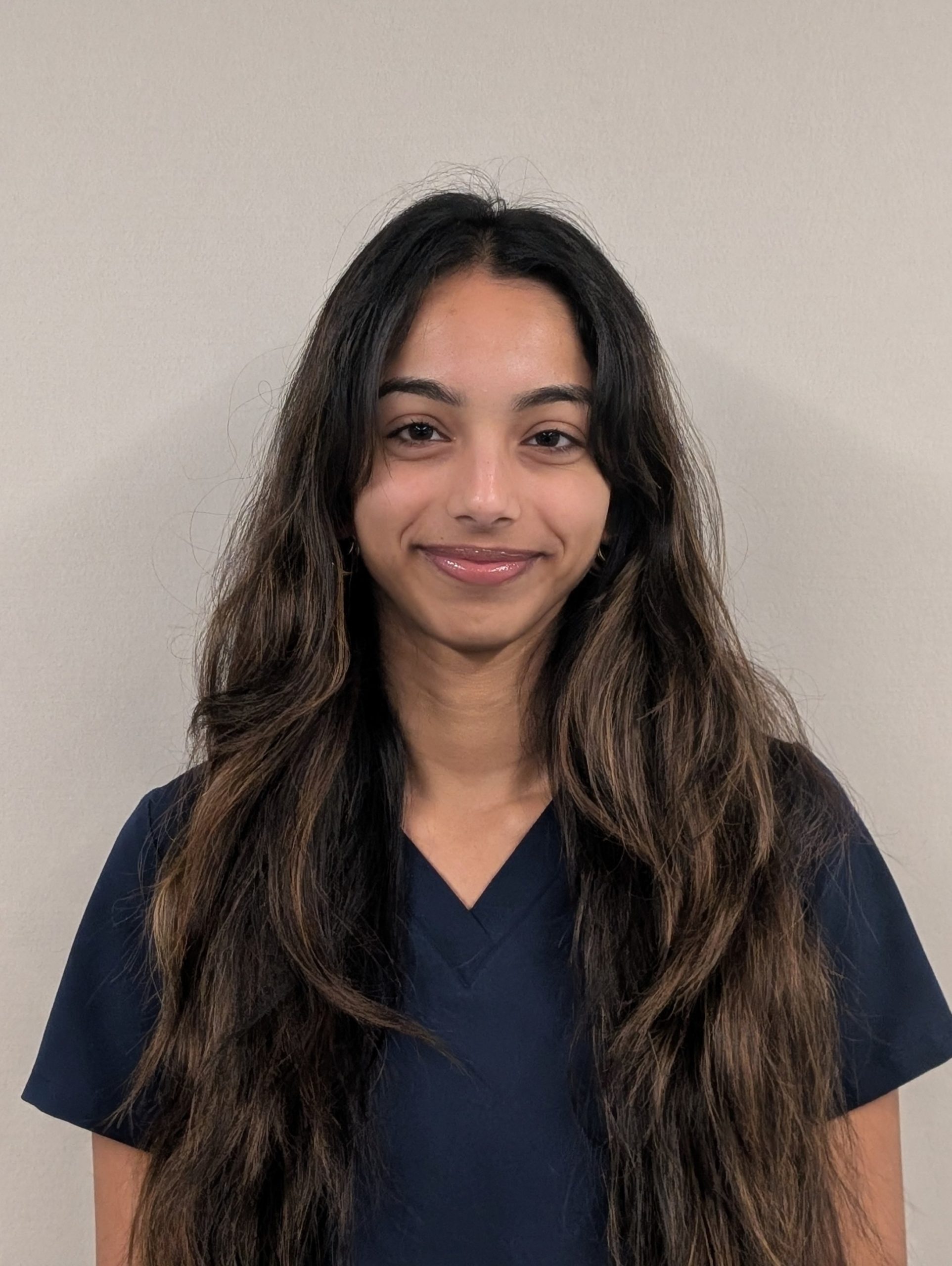
Anuhya Achanta
BS Neuroscience

Jeevith Chanveer
BS Human Biology
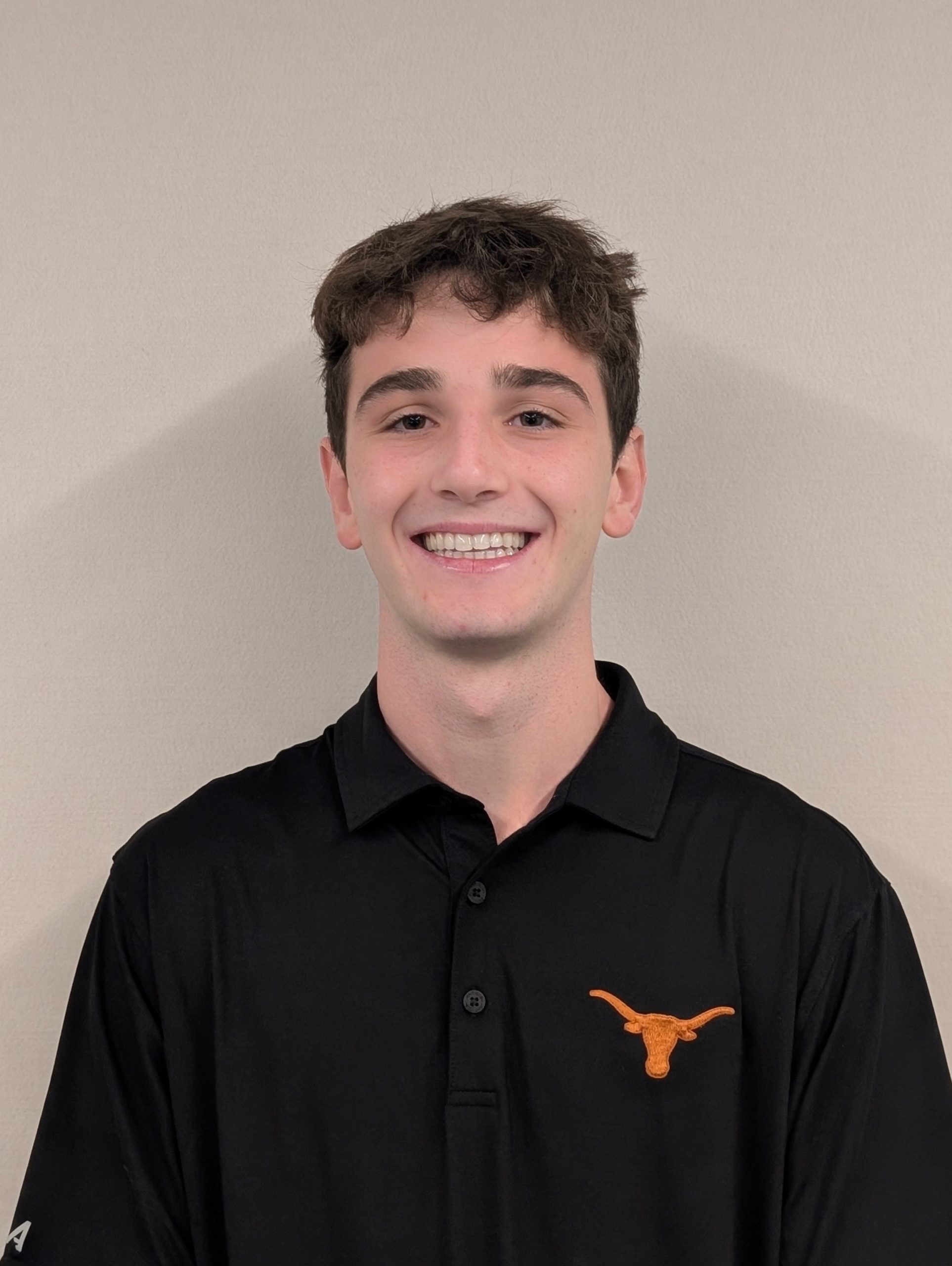
Killian Drouaud
BS Biology

Emma Hernandez
BS Exercise Sci.
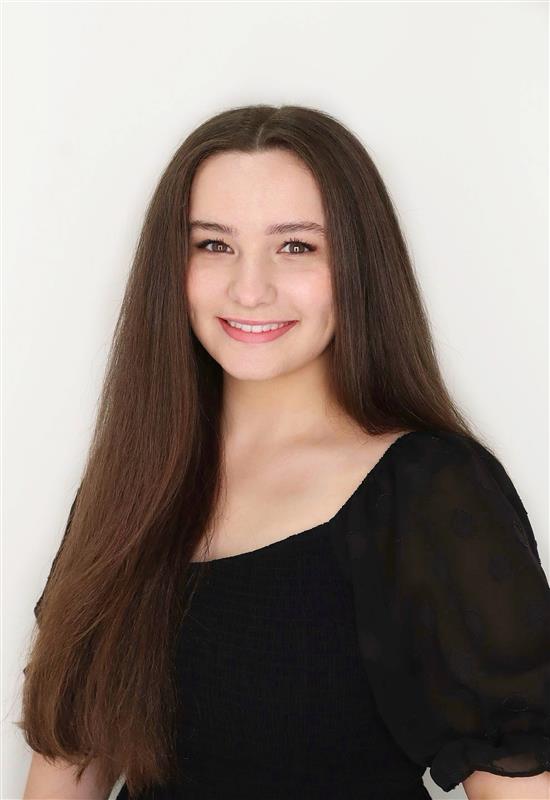
Chloe Stewart
BS Biology
Research Methods & Partnerships
Our lab is happy to partner with others to advance physical activity related research. We offer expertise in the following methods and are happy to assist with grants, publications, advocacy, or outreach.
Rodent
Diversity Outbred mice, free access wheel running, restricted access wheel running, forced treadmill exercise, treadmill exhaustion tests, wire hang strength tests, home cage activity, rotarod motor function, open field exploration/anxiety, intracranial AAV injections, intracranial cannula implantations, fiber photometry, chemogenetics, nutrition interventions, microbiome modifications, tissue removal, machine learning tools (e.g., DeepLabCut, SimBA, B-SOID), other gene therapies.
We will use the Tecniplast DIGILAB | DVC® GYM 500 to monitor wheel running and cage activity of your favorite mouse model/intervention.
Human
Accelerometer monitoring, health activity questionnaires, maximal performance testing, and strength/endurance/mobility/stability training programs.
Previous Publications & Collaborations Include:
- Cancer/Oncology
- Parkinson’s Disease
- Alzheimer’s Disease
- Addiction/Compulsion
- Neurotransmitters/Neuromodulators
- Dopamine/Acetylcholine/Endocannabinoids
- Nutrition/Caloric Intake
- Metabolism/Metabolites
- Body Composition/Lean Mass/Fat Mass
- Microbiota/Microbiome
- Bone Strength/Osteoporosis
What You Can Expect
Mentorship and Professional Development
Regular one-on-one meetings (bi-weekly for graduate students and ad libitum for undergraduates) and bi-weekly lab gatherings (1st and 3rd for all members and 2nd and 4th for all graduate students) to discuss project updates, professional growth, and scientific discoveries.
Opportunities for Innovation
Engage in cutting-edge research using advanced molecular, genetic, and neuroscientific techniques. Contribute to high-quality publications and presentations.
Inclusive and Respectful Culture
We prioritize clear communication and professionalism. Your ideas and contributions are valued, and we strive to foster an environment where everyone feels comfortable sharing and collaborating.
PAM Lab Philosophy
Growth Mindset
No matter your background or experience level, if you are eager to learn and contribute, you will find a welcoming place here. Members who are open to feedback, find learning intrinsically satisfying, and are proactive problem-solvers will achieve the most!
Independence and Collaboration
You will have the freedom to explore your novel ideas with the support and guidance of our collaborative team.
Work-Life Balance
We promote efficiency and time management to ensure you can excel professionally while enjoying life outside the lab.
Join the PAM Lab
If you are interested in uncovering the biological drivers of physical activity motivation and want to be part of a team committed to turning intentions into enjoyable, lasting habits, we encourage you to apply.
Please email the Lab Director (ayland.letsinger@austin.utexas.edu) with:
- Your CV or resume
- Any questions you have
- Brief responses (1-3 sentences) to the specific questions below based on your role
PAM Lab
Decoding the neurobiology that makes physical activity rewarding and translating those discoveries into healthier, happier lives.
Location
Kinesiology & Health Education
Exercise Physiology
2109 San Jacinto, Bellmont Hall 200
Austin, TX 78712