
Why do some people
love to move?
The PAM Lab studies the neurobiology that makes movement feel rewarding and uses it to help turn intentions into lasting, enjoyable habits.
The need
>150 min/week
of at least brisk walking lowers all-cause mortality and morbidity.
Movement improves lives.
The problem
~50%
of adults turn movement intentions into lasting habits despite near unanimous belief in the hazard of inactivity.
Knowing the benefits is not enough.
The Goal
Enjoyment
best predicts habitual movement. We study where it comes from to improve motivation.
Make movement feel worth repeating.
Our Work
Work from the lab and its director.
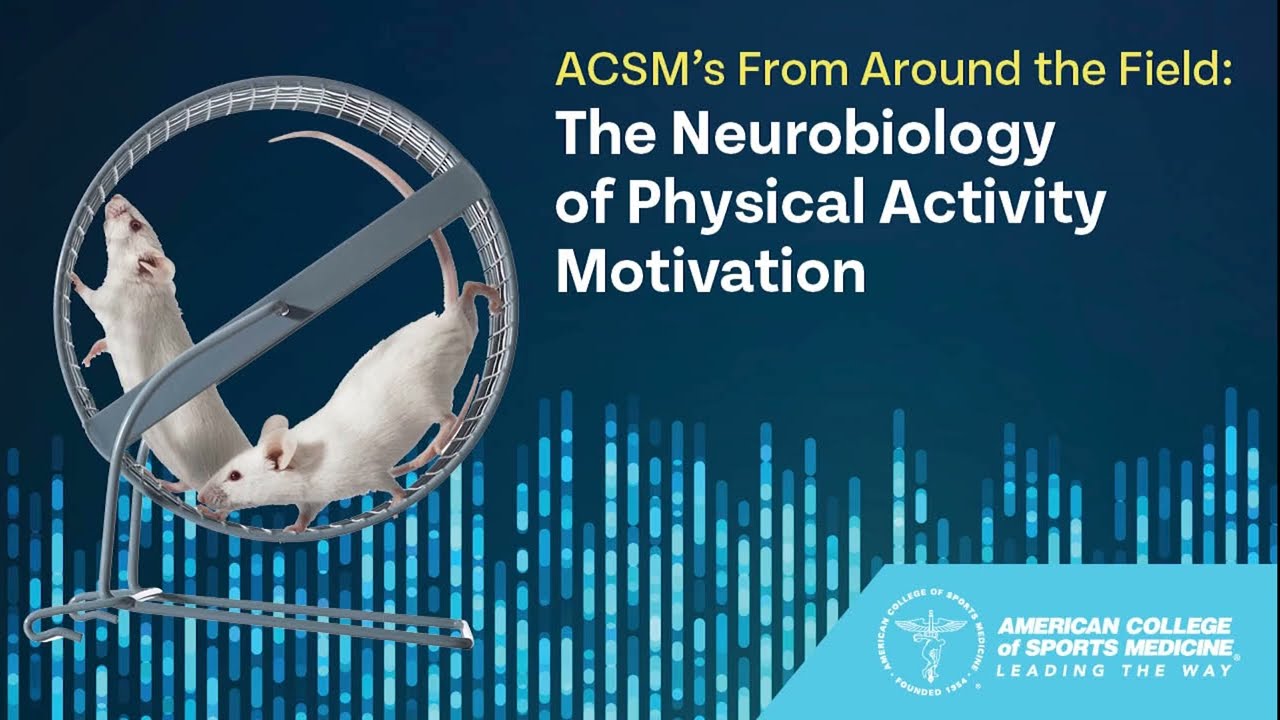
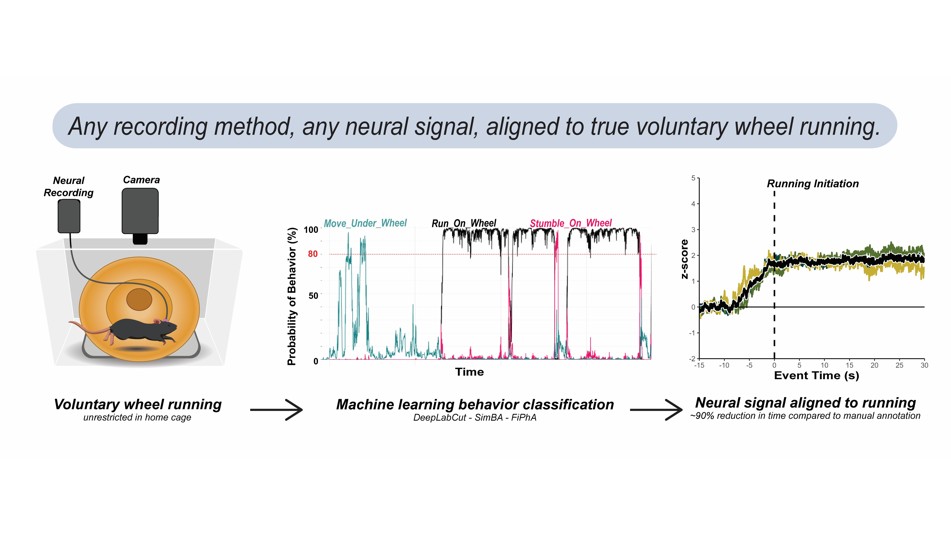
Subsecond measurement of neurotransmitters during wheel running for the first time
We built a workflow aligning neural signals to pose-estimated behavior during voluntary wheel running.
J Neurosci Methods, 2026 · Read paper
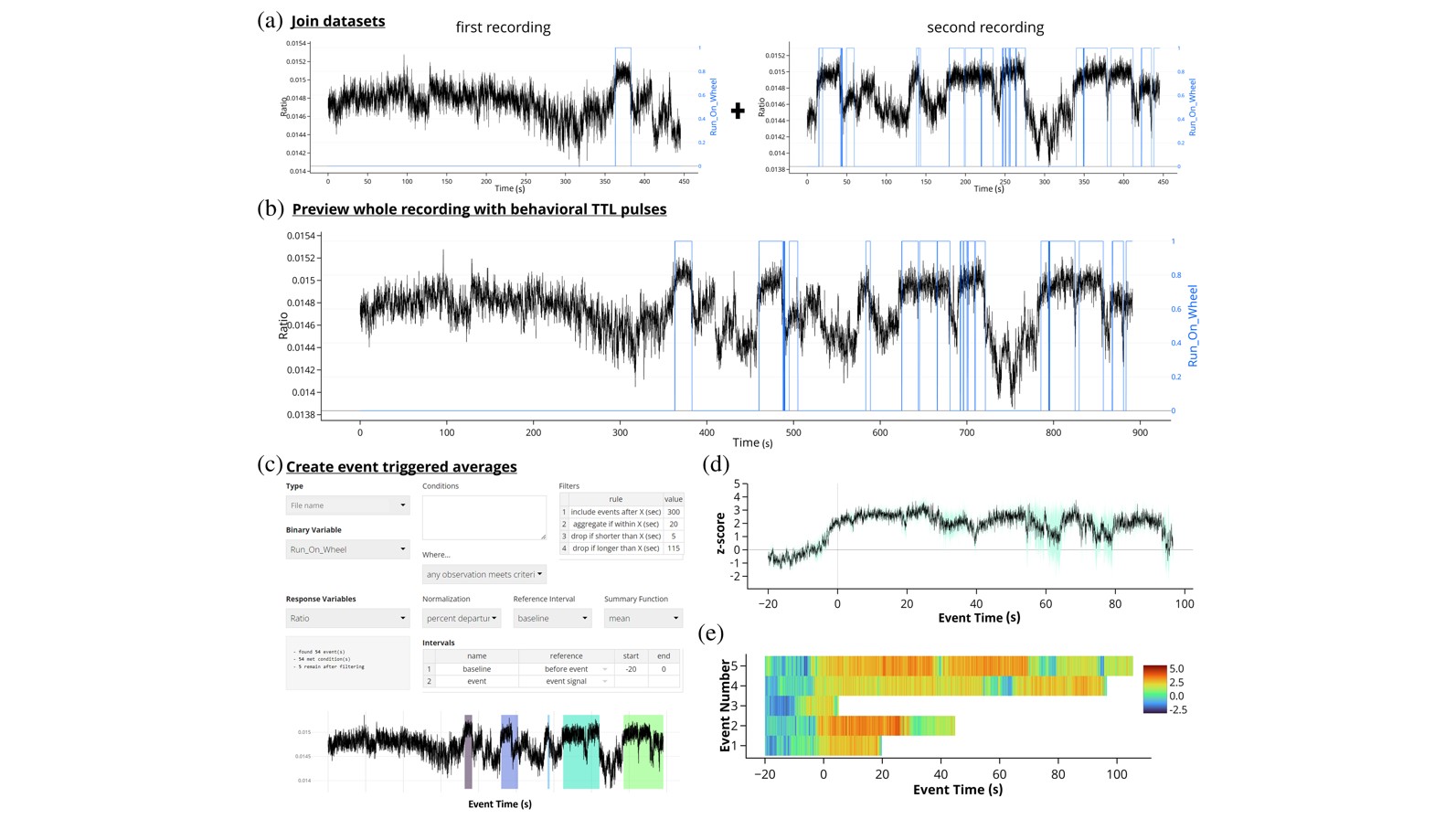
Improving data analysis tools for the behavioral neuroscience field
FiPhA is a free, open-source R/Shiny platform for fiber photometry analysis.
Neurophotonics, 2024 · Read paper
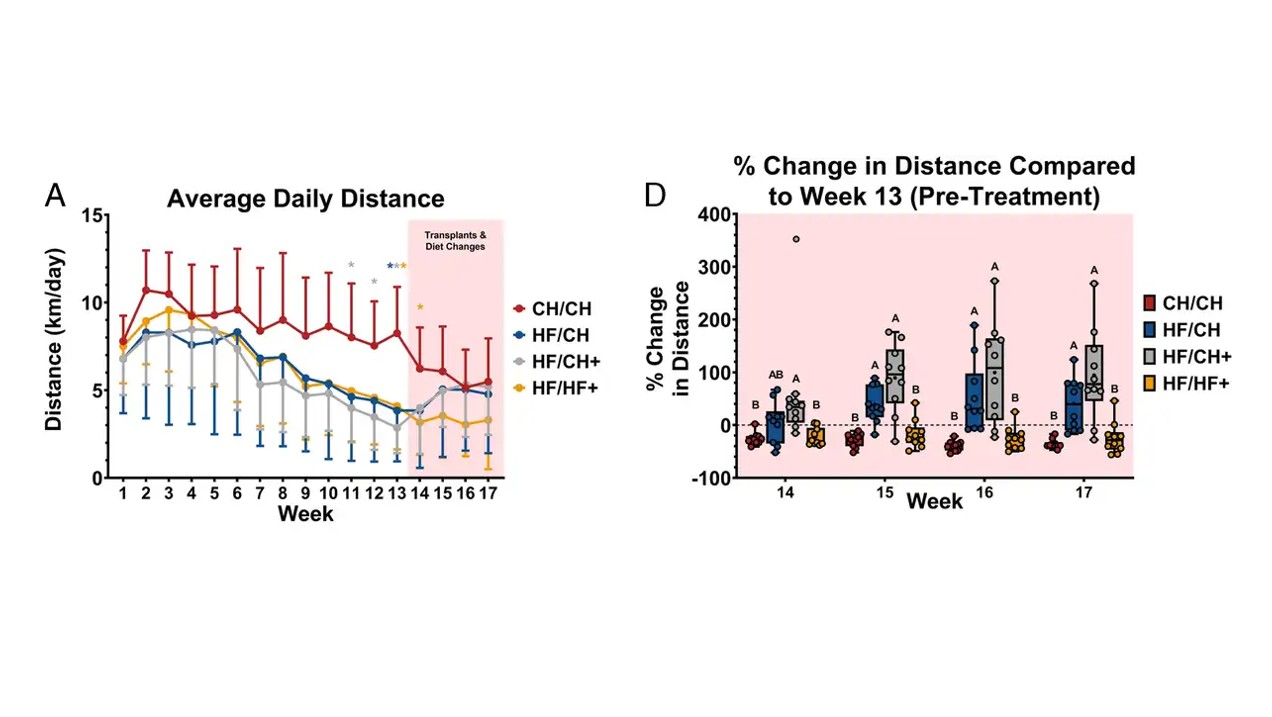
Diet impacts physical activity levels
Reductions in wheel running from a high fat high sugar diet to normal chow restored running and body composition within two weeks. Fecal transplants from active mice added nothing.
Med Sci Sports Exerc, 2022 · Read paper
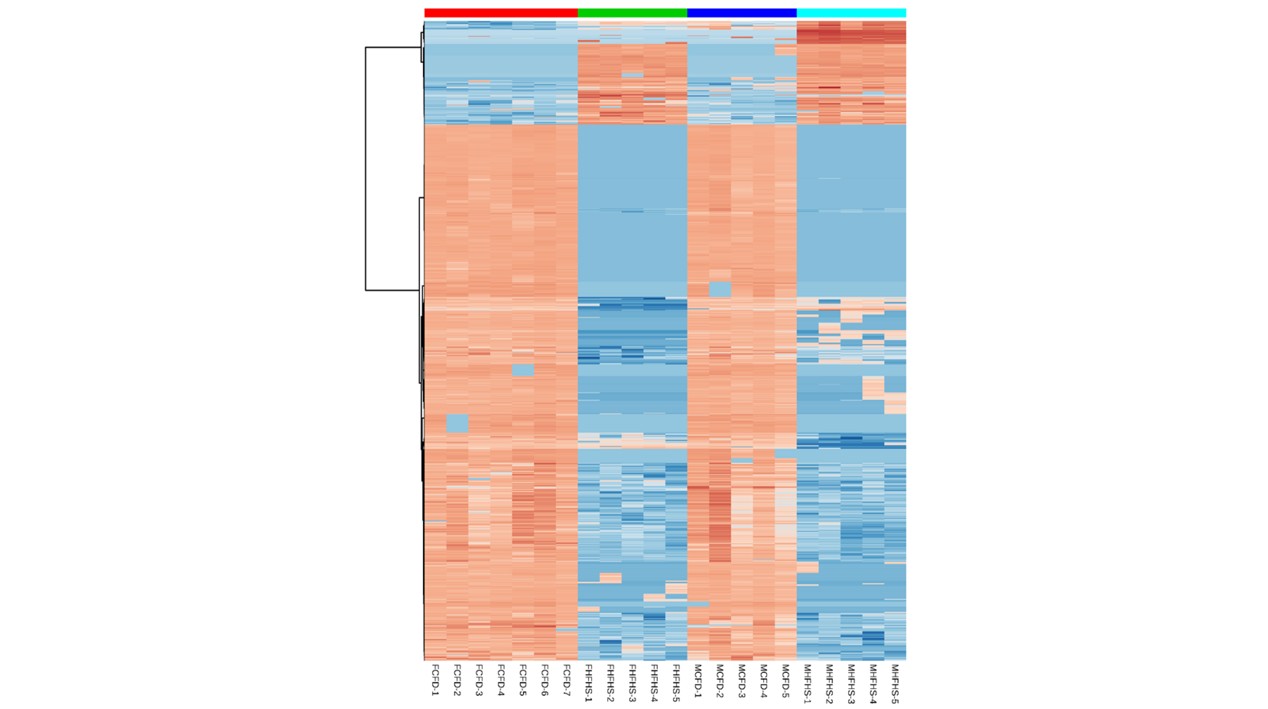
Diet reshapes the gut metabolome differently in females and males mice
Untargeted LC-MS/MS found thousands of altered cecal metabolites, most of them depleted. The pathways affected differed by sex, including steroid biosynthesis and inflammation.
Metabolites, 2020 · Read paper
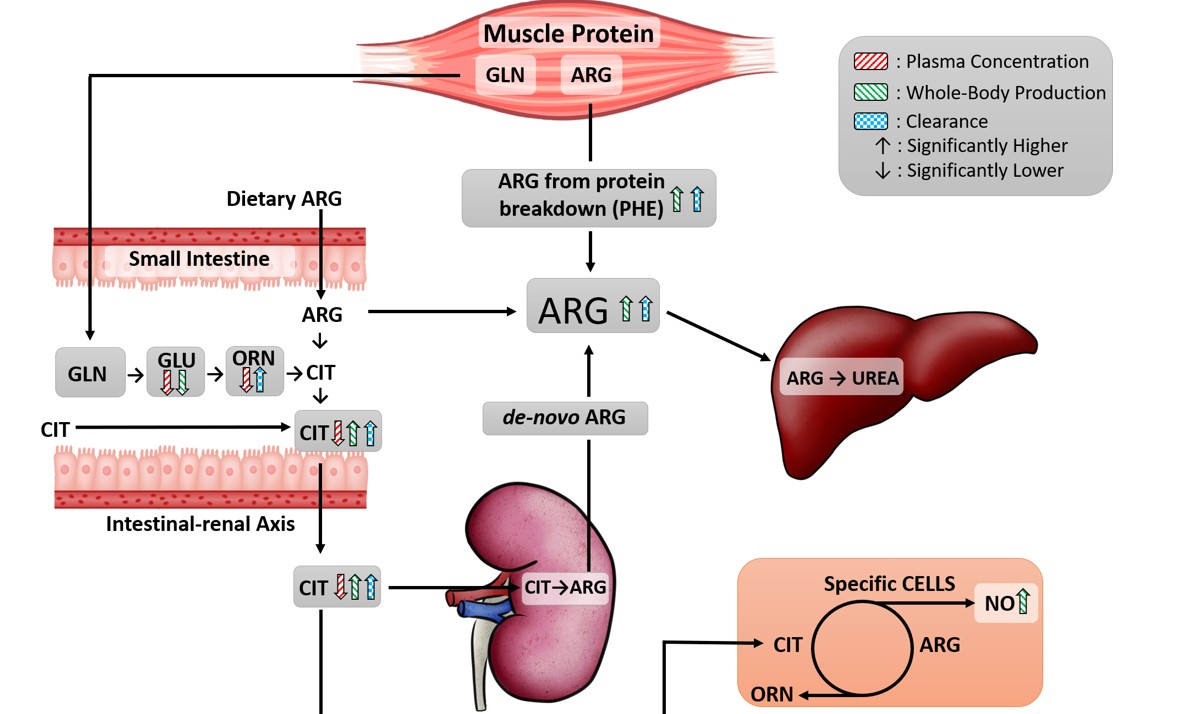
Naturally high-active mice metabolize amino acids faster at baseline
Stable isotope tracing showed high-active mice produce more arginine and citrulline whole-body, with higher estimated nitric oxide production, than low-active mice.
PLOS ONE, 2020 · Read paper
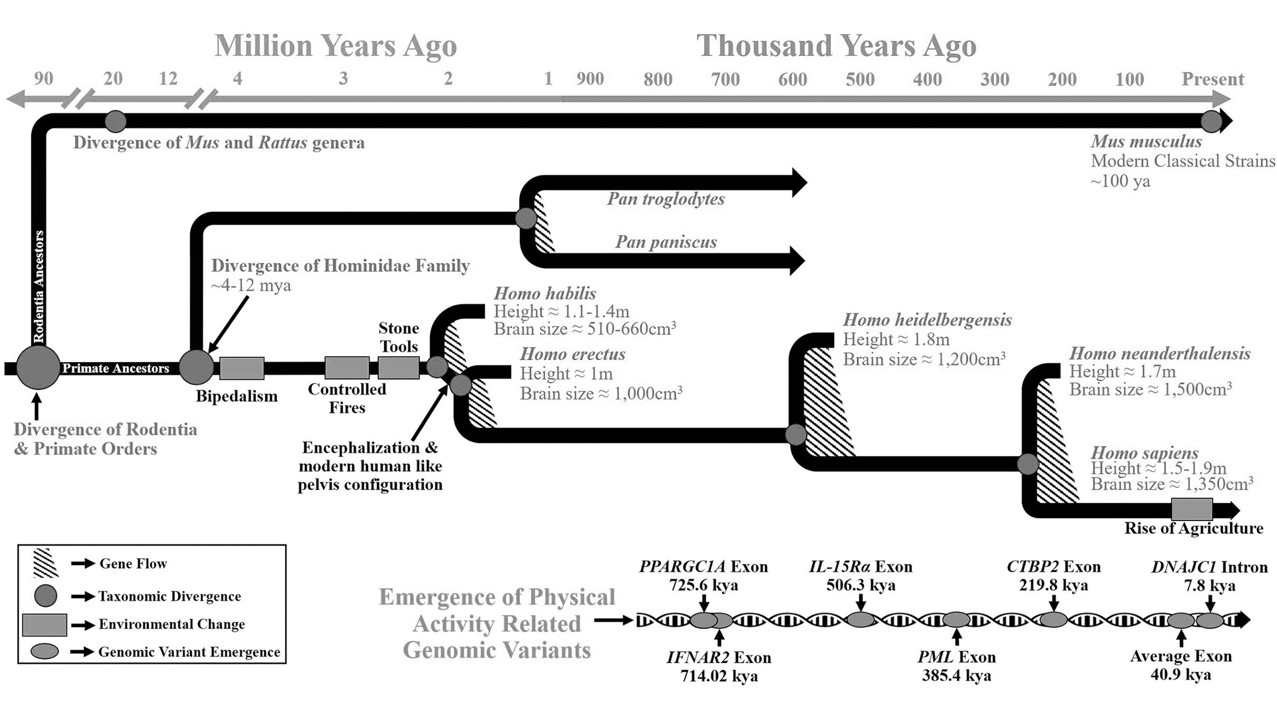
Our drive to move is inherited and ancient
Genetic variants linked to human physical activity are older than our own species. Most are shared with Neanderthals and chimpanzees, though a few show signs of selection unique to humans since the advent of agriculture.
PLOS ONE, 2019 · Read paper · NYT feature
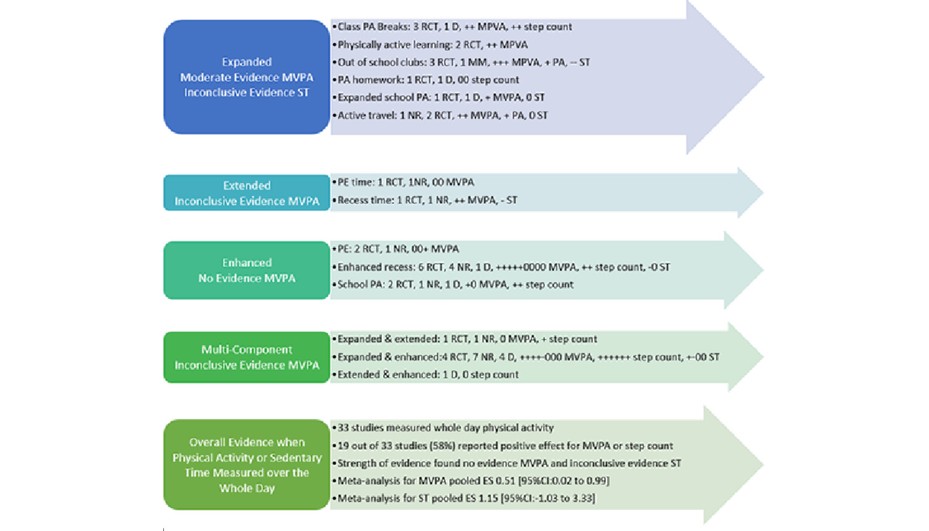
A meta-analysis on current school interventions to get children more active shows we need to do better
Expansion of opportunities for physical activity, including after-school clubs, active travel, class physical activity breaks, and physically active learning appeared to be the most promising types of intervention.
Journal of Sport and Health Science, 2020 · Read paper
Full publication list on PubMed and Google Scholar.
Funding
Our research is supported by public funding.
PI K99/R00: National Institute on Drug Abuse, NIH
Co-PI R01: National Institute of Mental Health, NIH
Efficacy and mechanisms of exercise-enhanced fear extinction
How We Can Help
Bring us a question about physical activity and we can help you measure it, probe its biology, or make sense of the data. We are glad to partner on grants, publications, advocacy, or outreach.
In Animals
We phenotype activity and motivation in rodent models, then get at mechanism with surgery, photometry, and molecular tools.
We use the Tecniplast DVC GYM 500 to monitor wheel running and cage activity for your model or intervention.
In People
We measure activity, affect, blood markers, and design training programs in human participants.
Prior Collaborations Include
Our Team
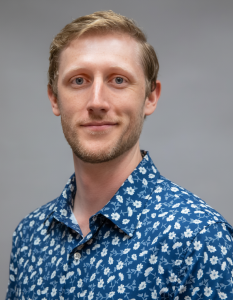
Ayland Letsinger, PhD
Hometown: Brackettville, TX
Background: Postdoc Neurobiology (NIEHS); PhD Exercise Physiology (Texas A&M); BS Kinesiology & Motor Behavior, minor in Psychology (Texas A&M)
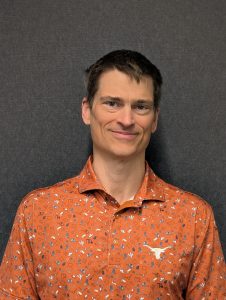
Frederick Goertz, MD
Hometown: Austin, TX
Background: MD (UTMB); BS Exercise Science (UT Austin)
The people who make the work happen.
PhD Students
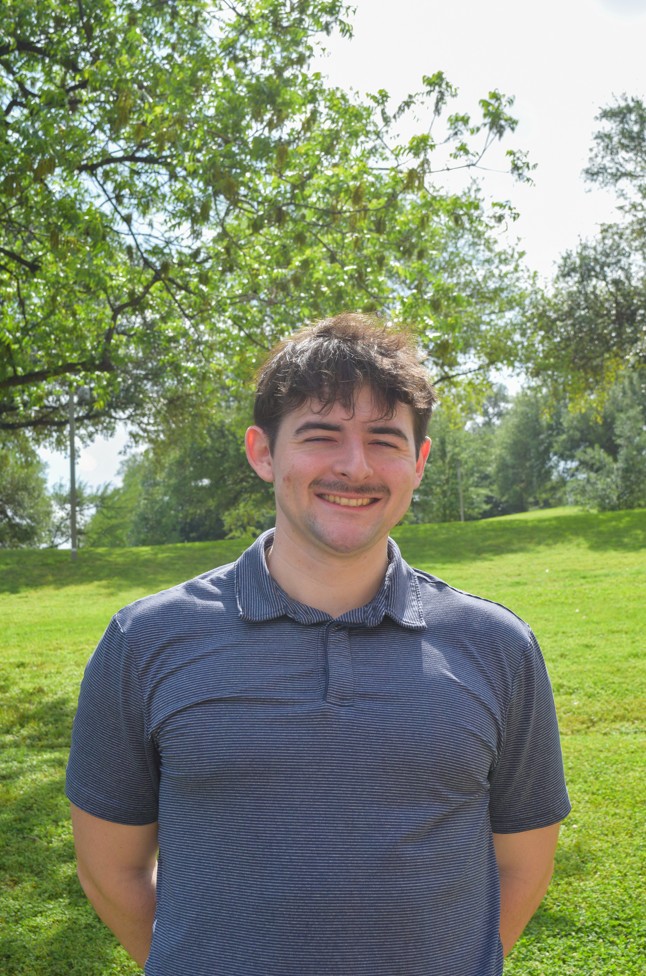
Isaac Ramos, MS 🦍
Hometown: Austin, TX
MS Exercise Physiology; BS Computational Biology (UT Austin)
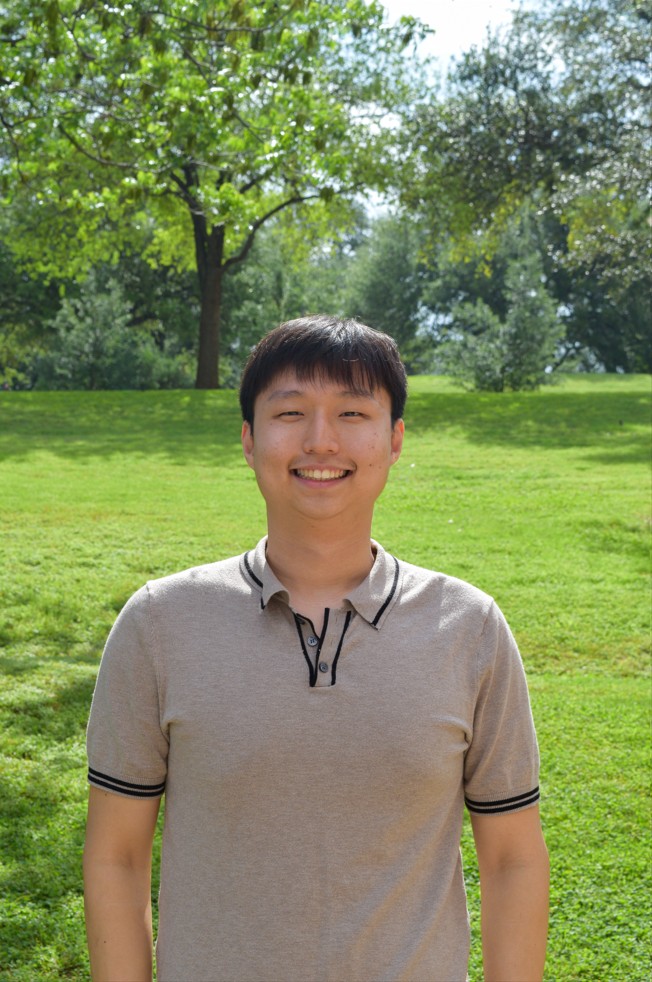
Daniel Choung, MS 🏀
Hometown: Arlington, TX
MS Exercise Physiology; BS Exercise Science (UT Austin)
Masters Students
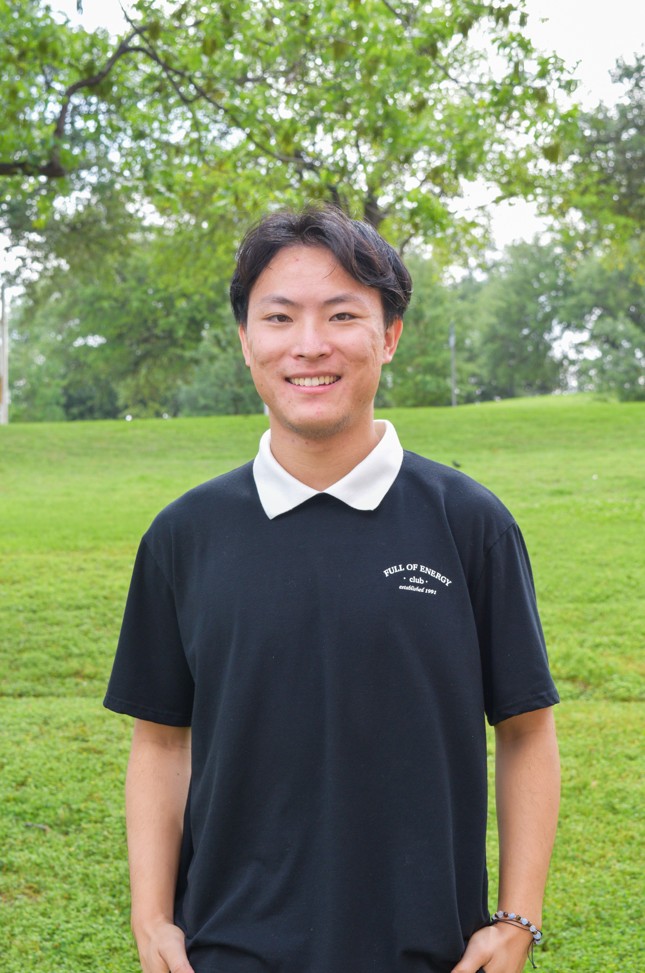
Nam Zhang, BS ⭐
BS Primary Education (University of Macau)
Undergraduate Students
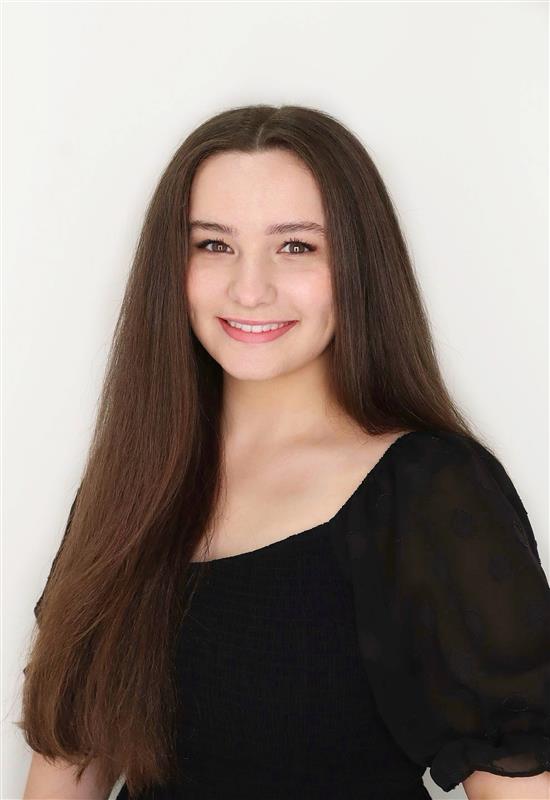
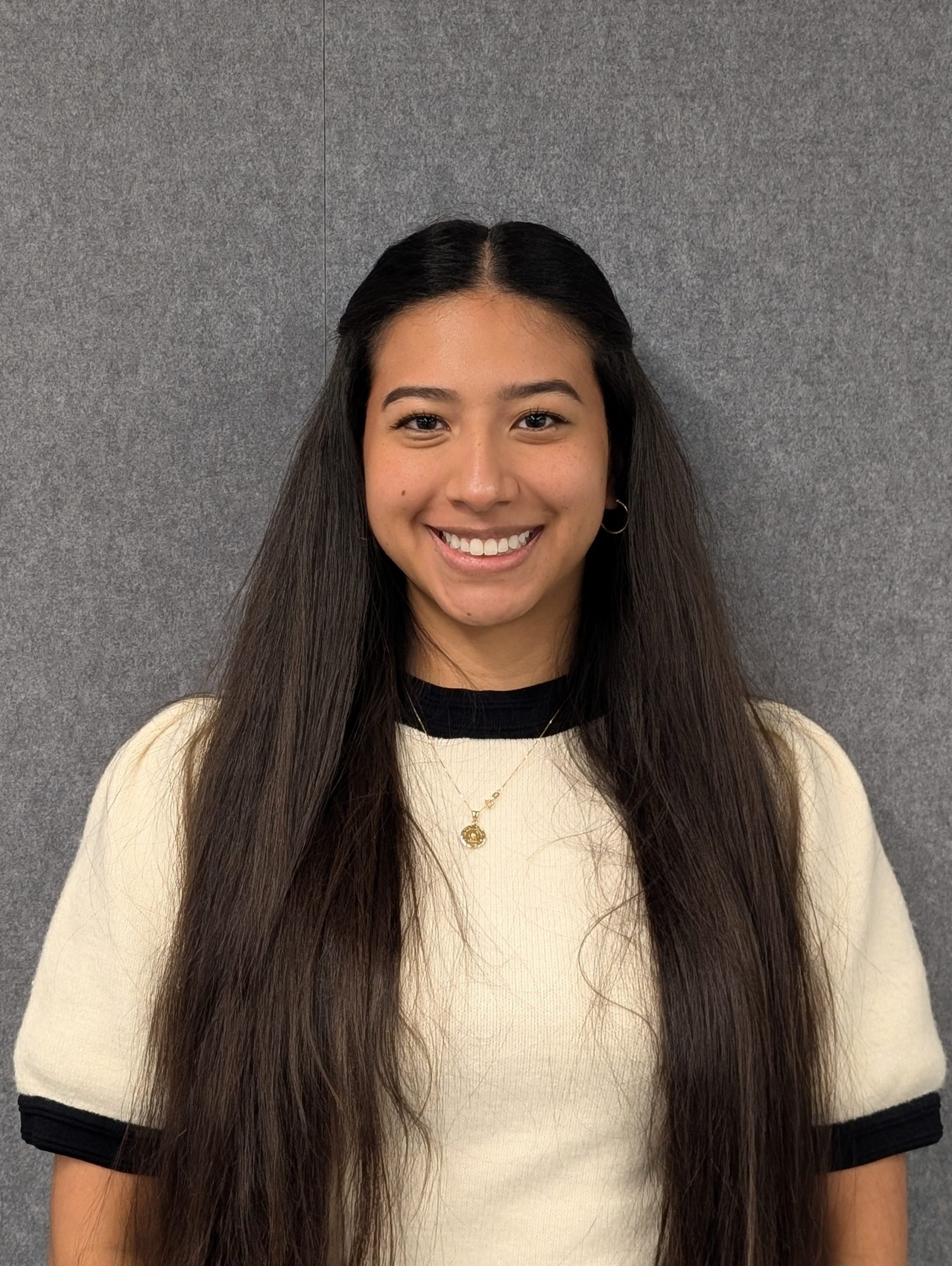
Angela John ⭐
BS Neuroscience
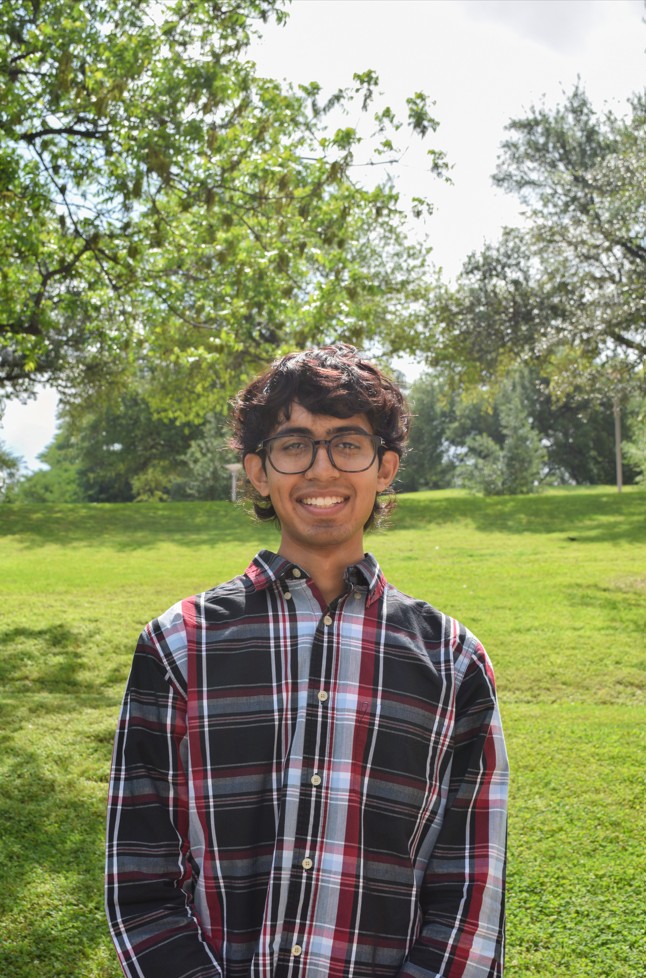
Taha Zubair ⭐
BS Exercise Science
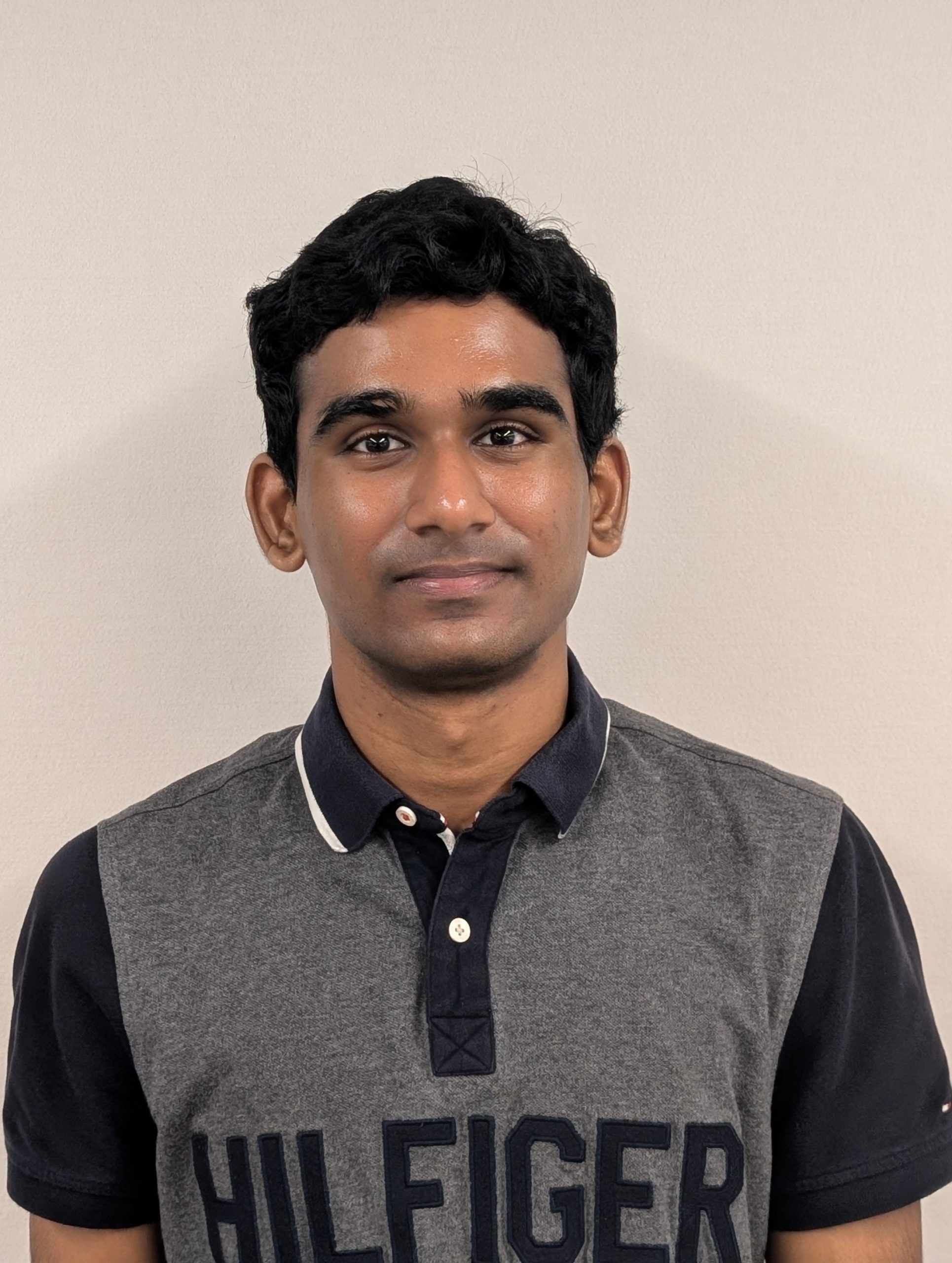
Gautam Vannapu ⭐
BS Health Promotion & Behavioral Science
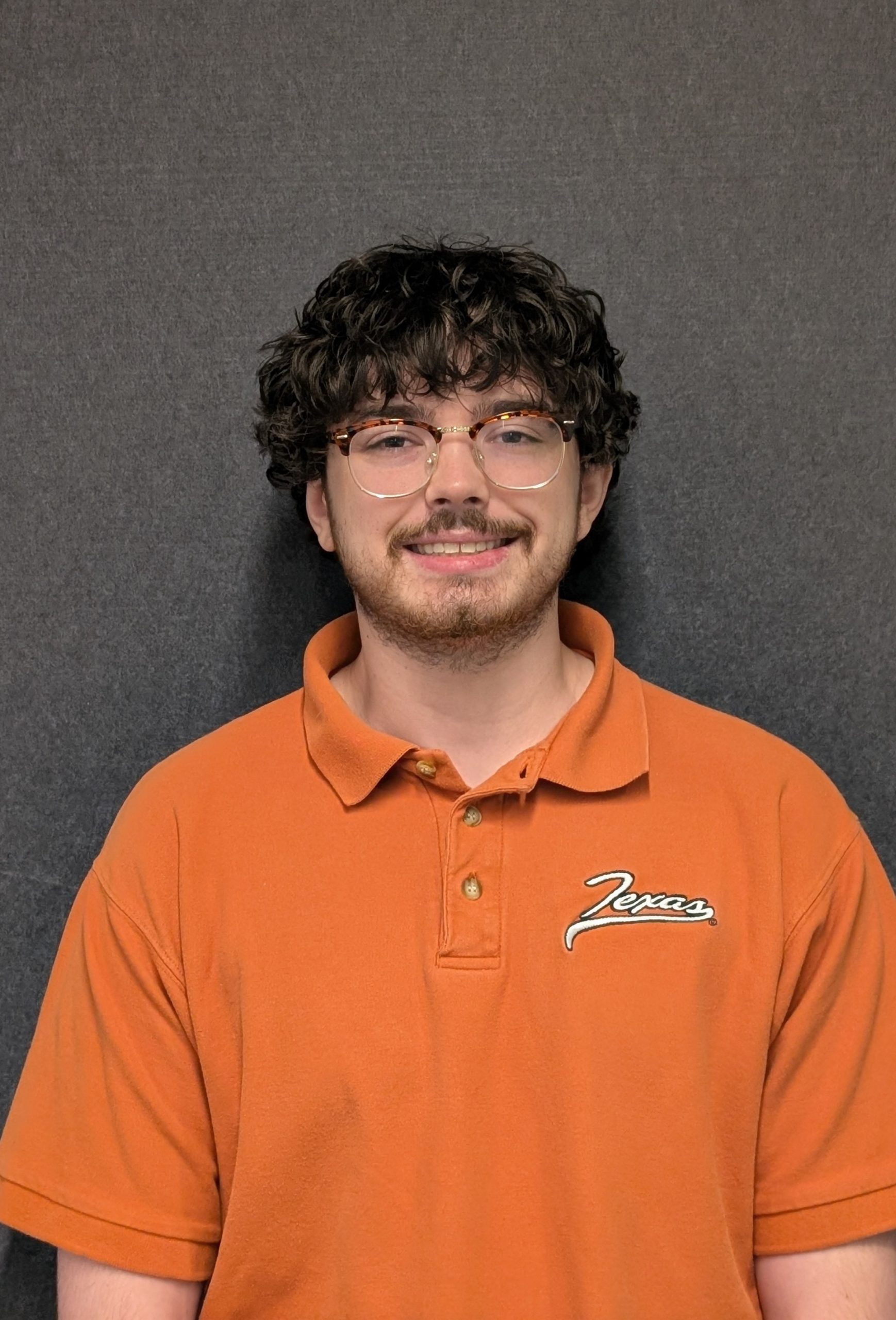
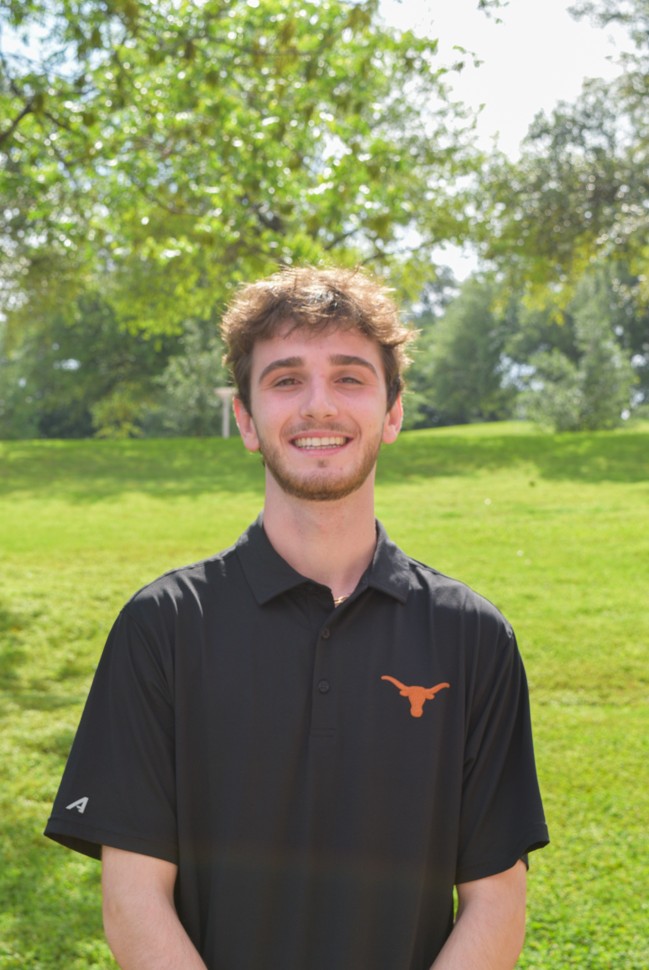
Jake Reynolds ⭐
BS Sociology
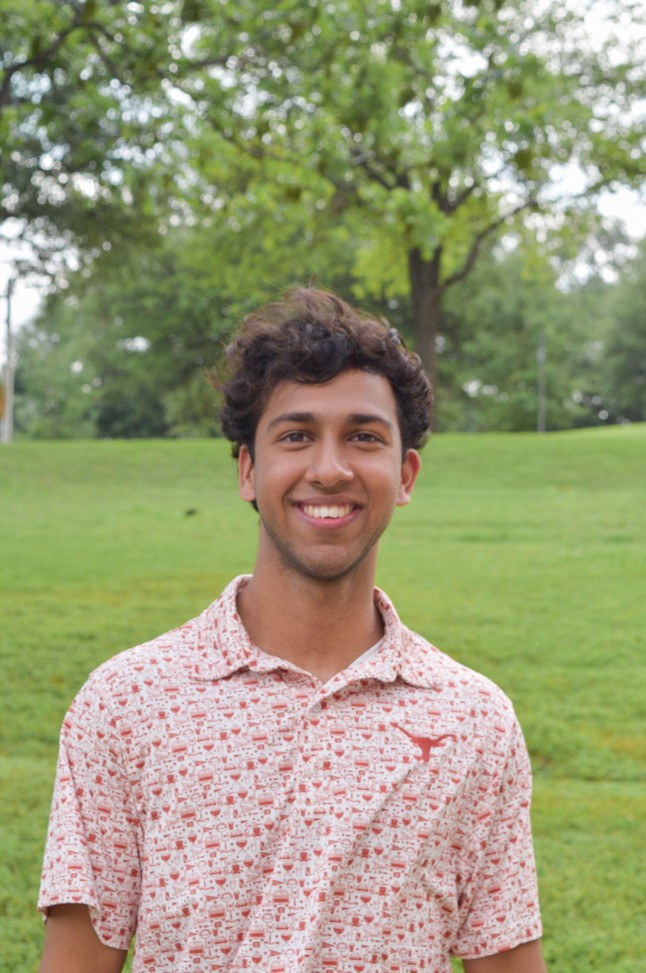
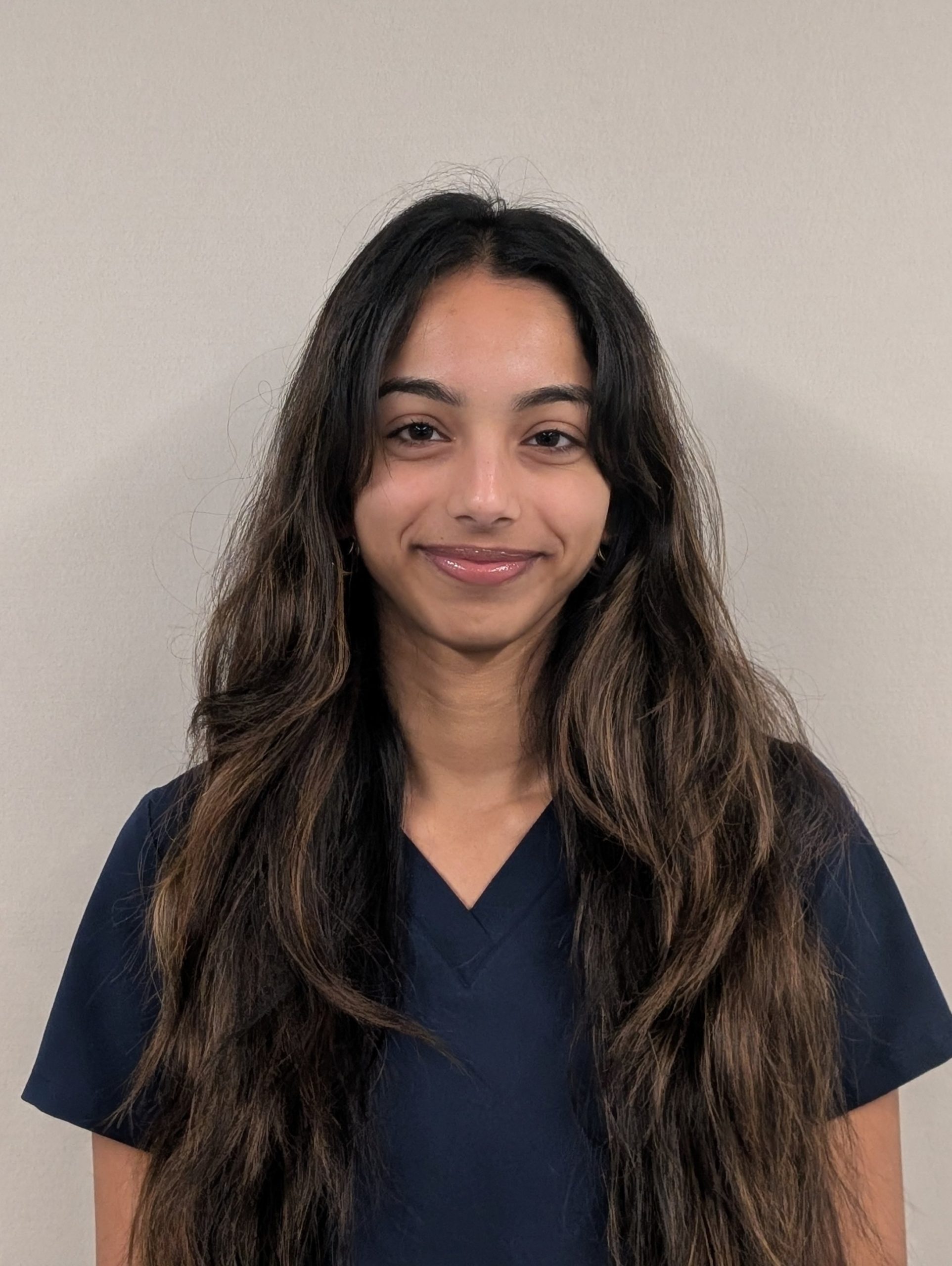
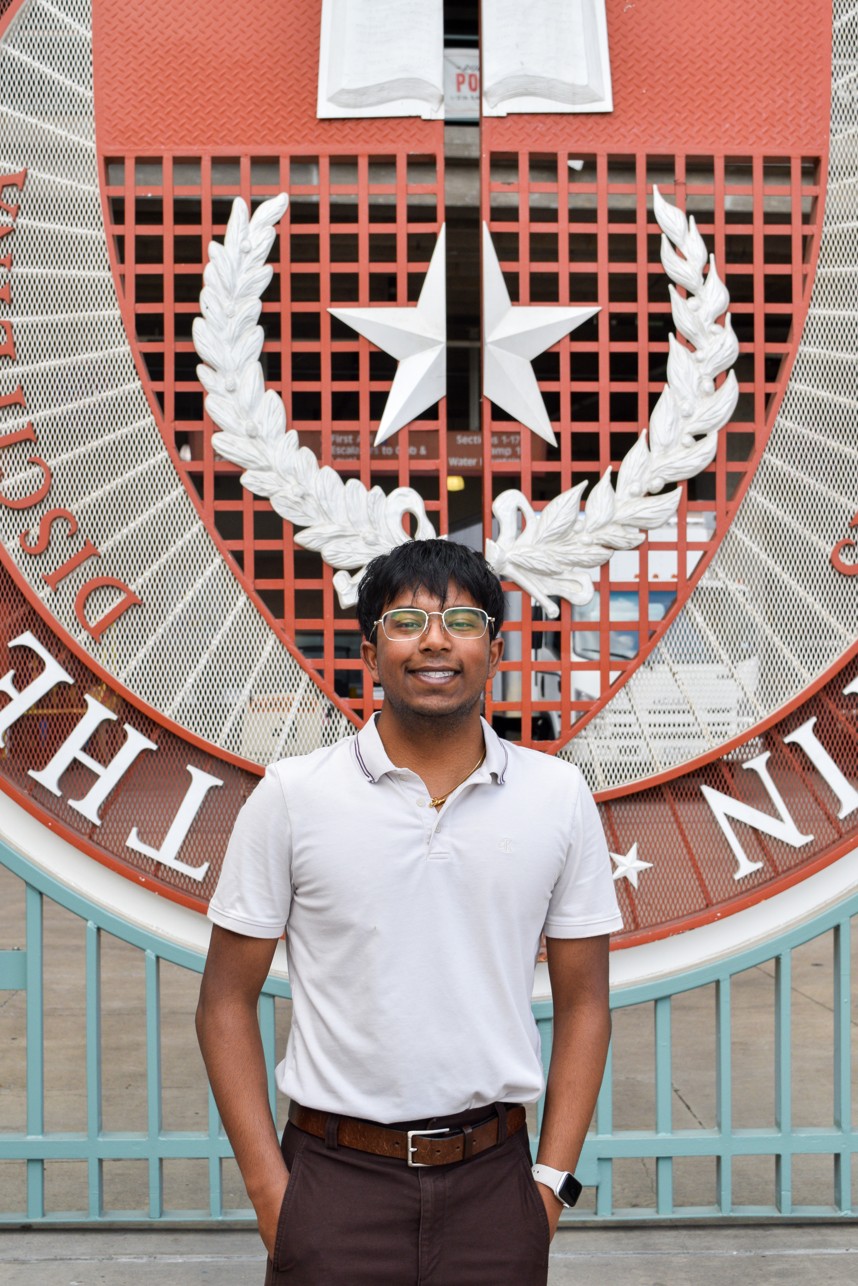
Vishal Dhingra ⭐
Hometown: Houston, TX
BS Kinesiology
Alumni
Everyone who has trained in the PAM Lab. Once you are on this list, you stay on it.
Graduate
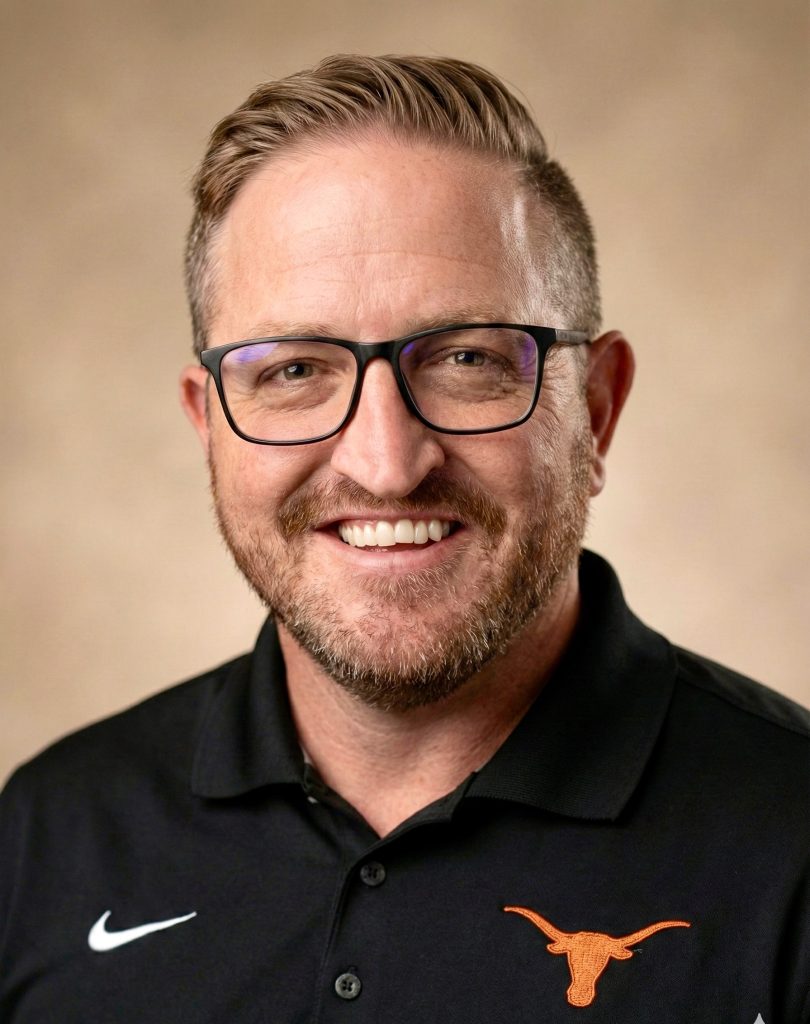
Cory Rebmann, MS 🎓
MS Kinesiology (Texas A&M-Corpus Christi); BA Law & Justice (Central Washington University); BA Anthropology (Central Washington University)
Undergraduate
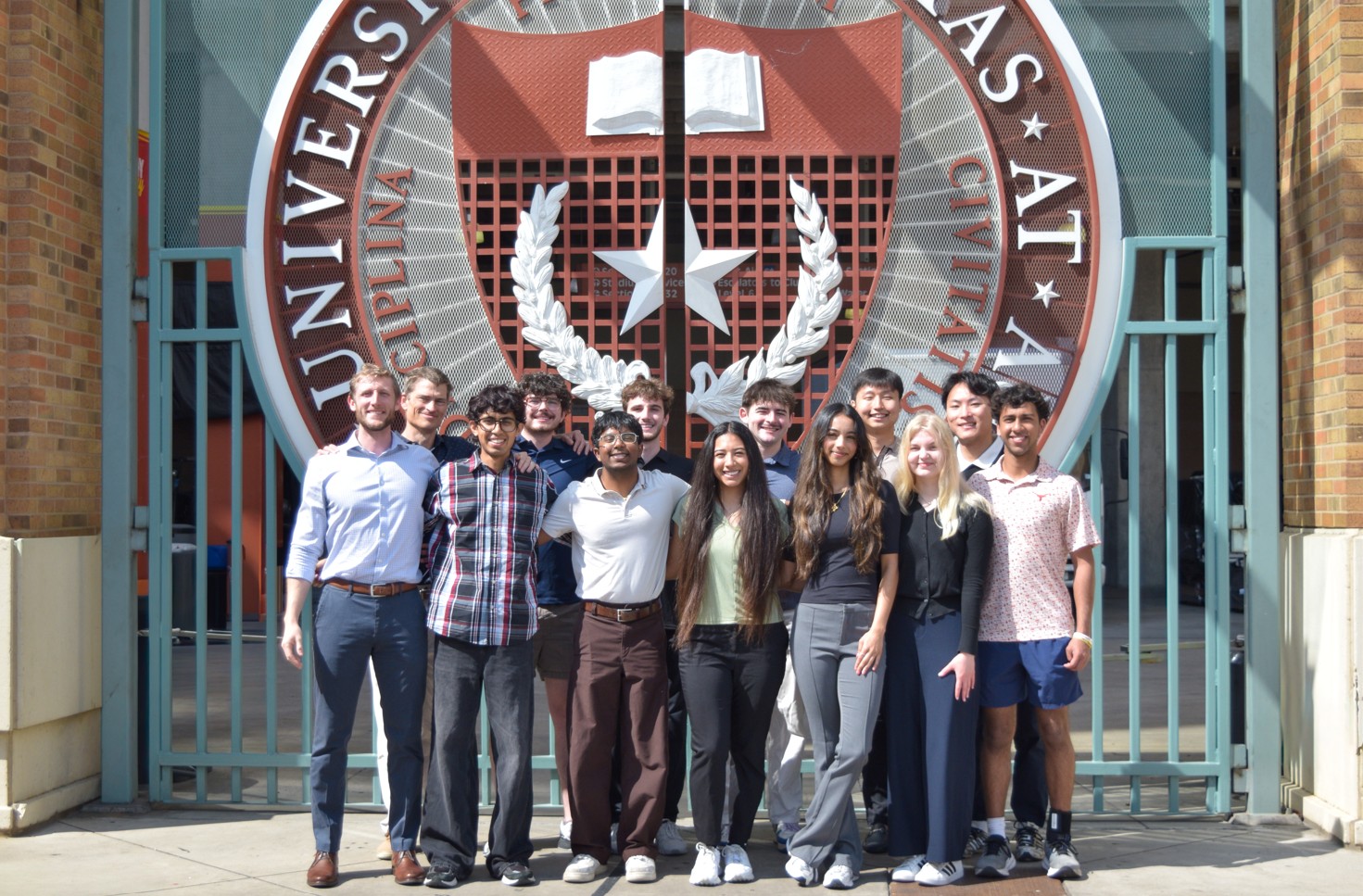
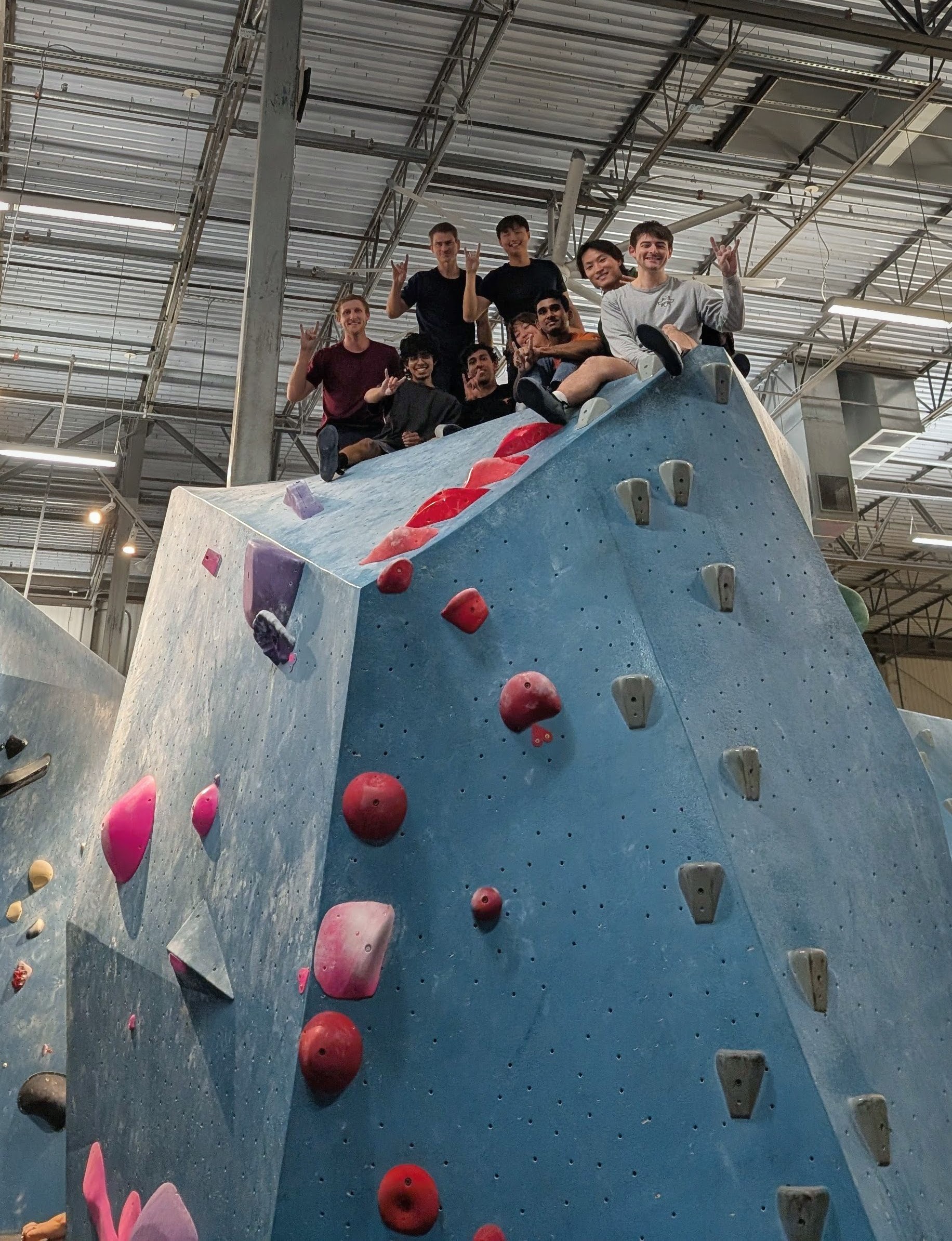
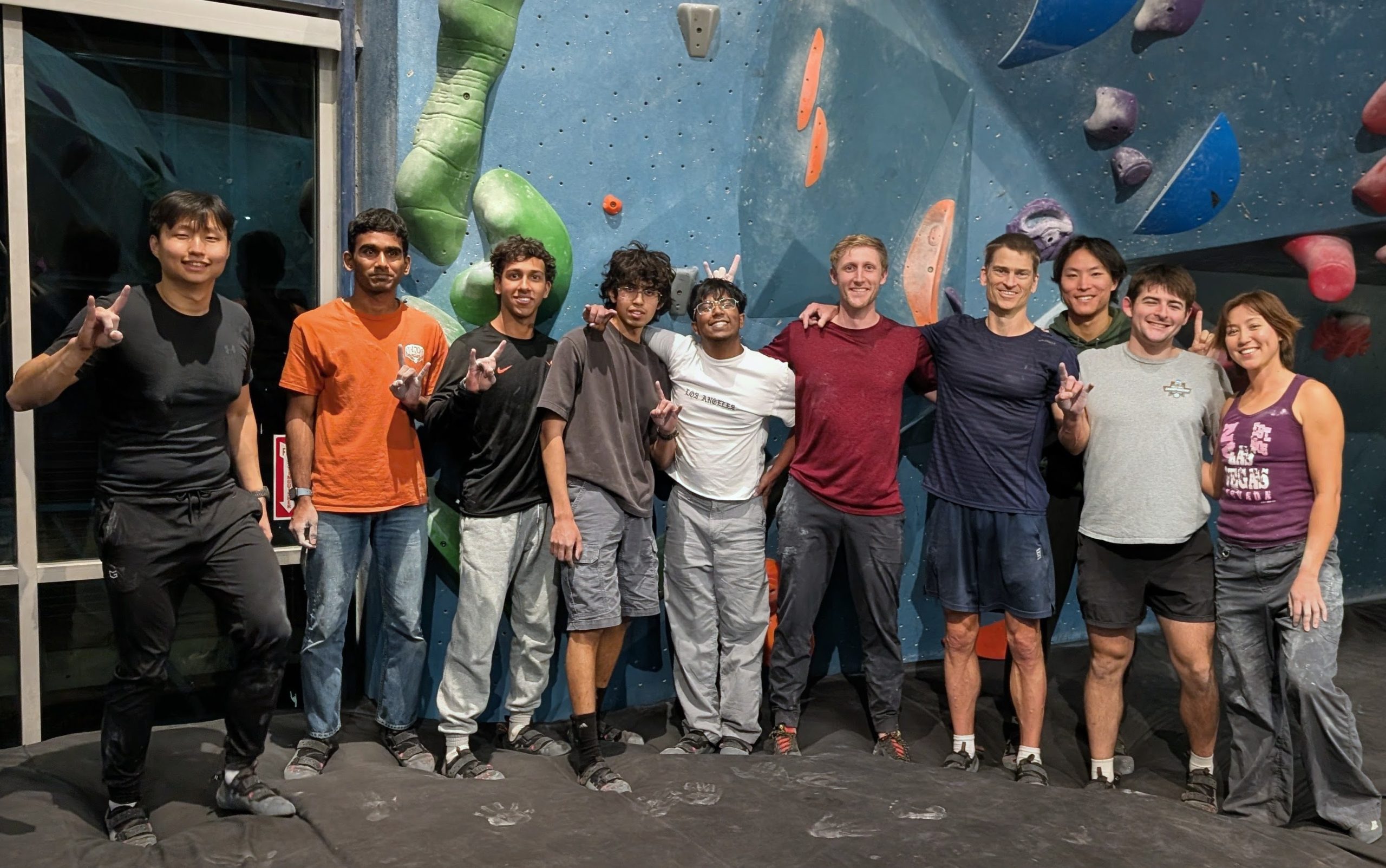
Life in the Lab
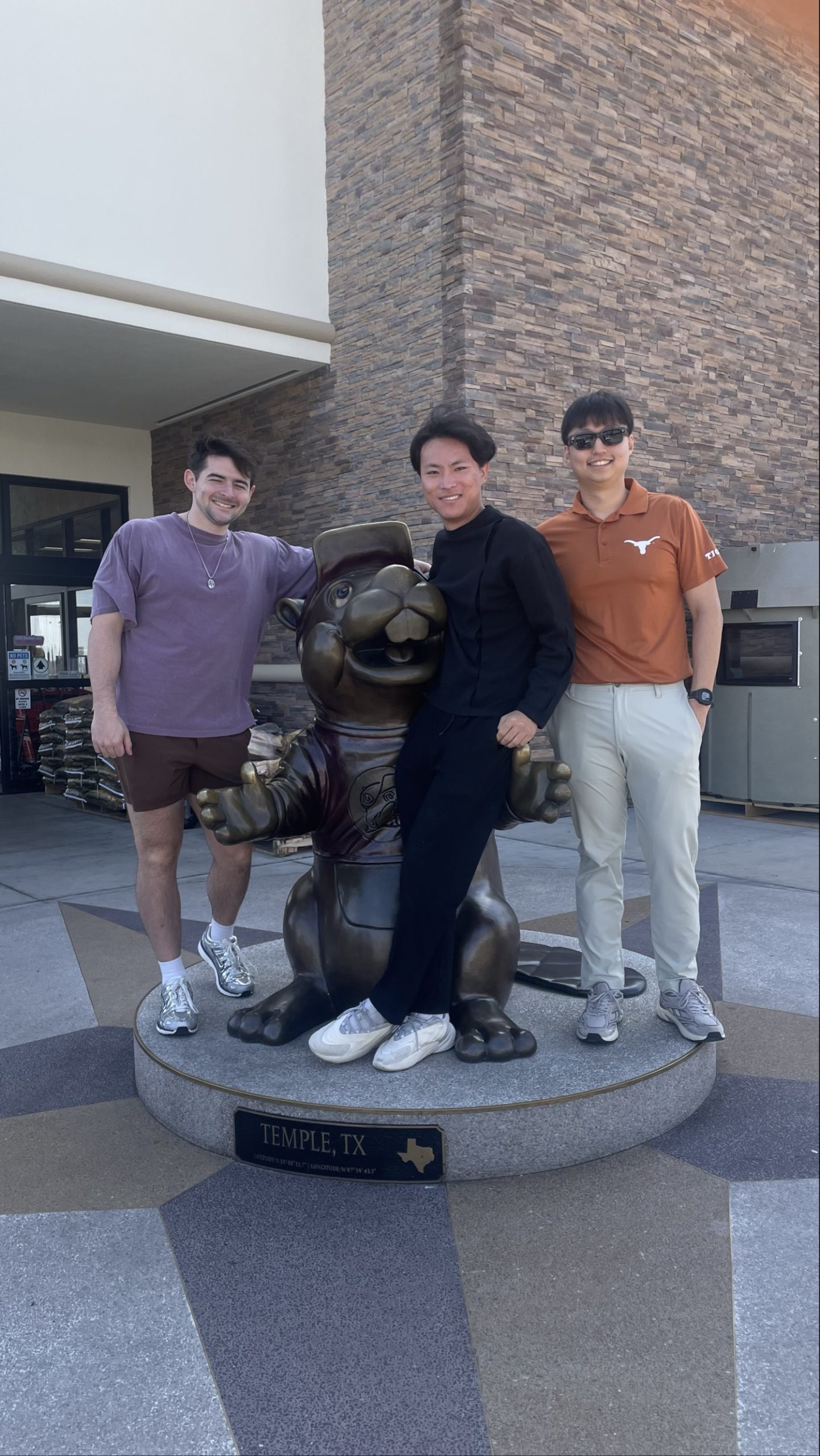
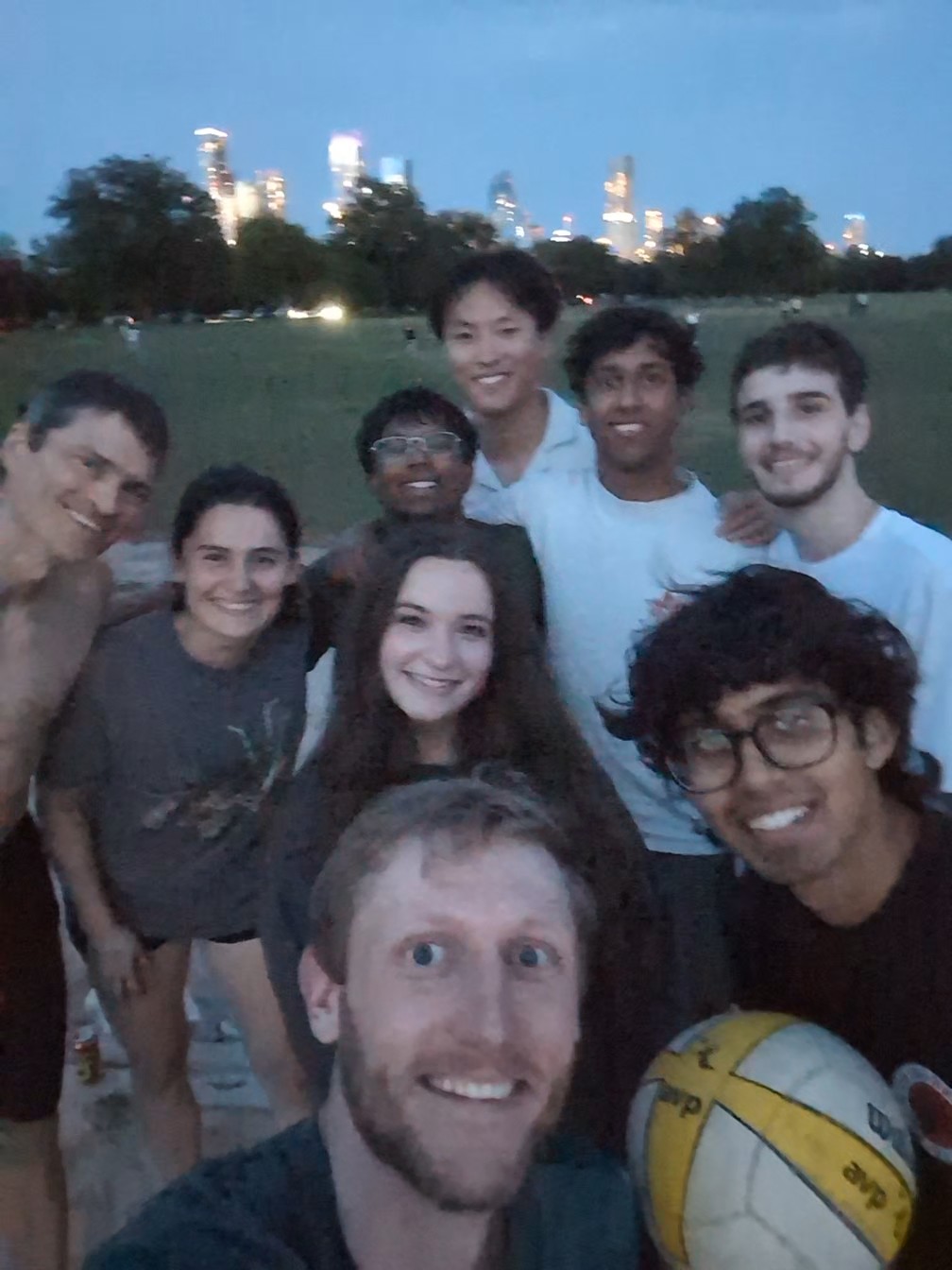
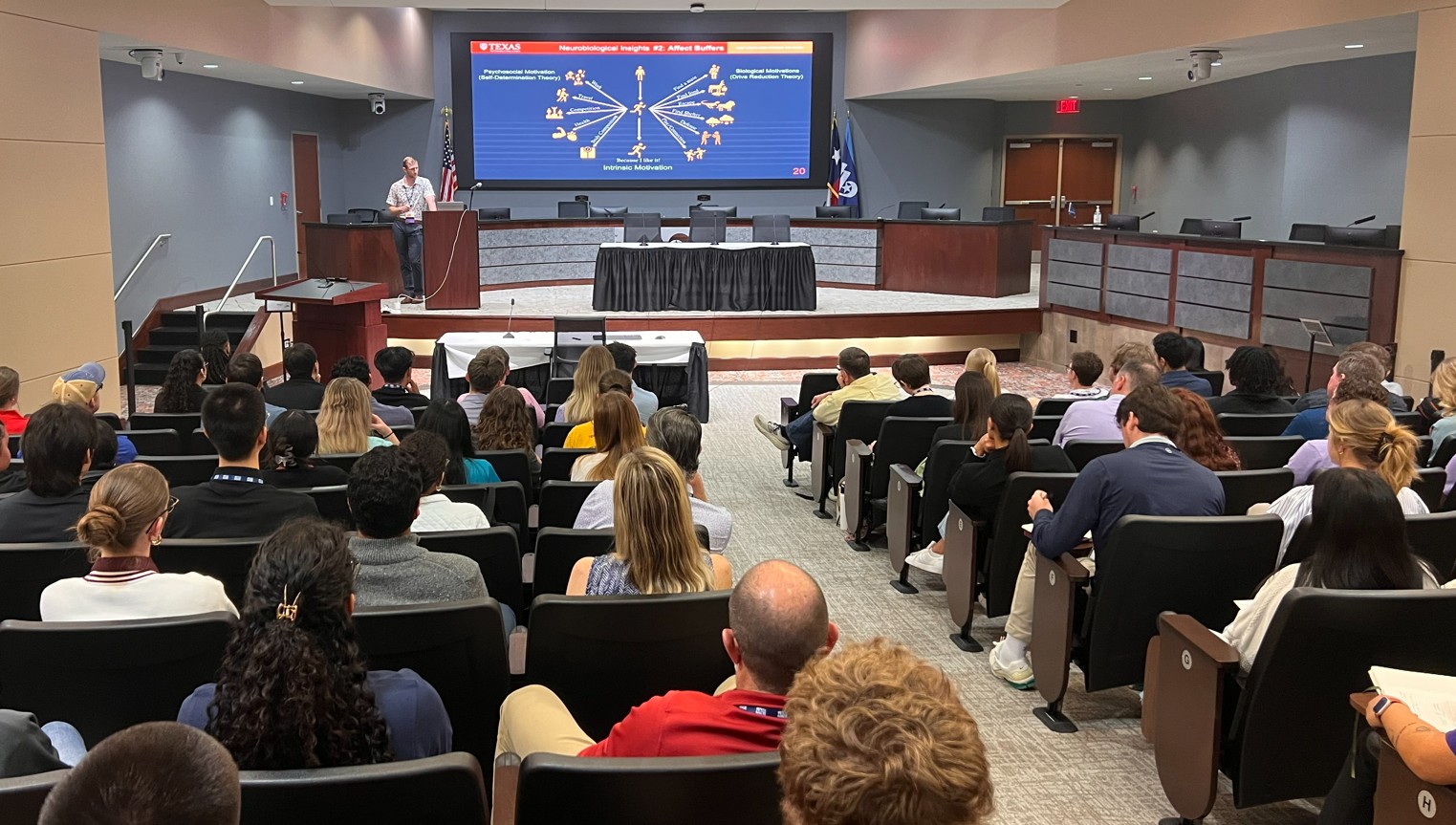
Work hard, play hard.
What You Can Expect
Mentorship and professional development
One-on-one meetings (bi-weekly for grad students, as-needed for undergrads) and bi-weekly lab gatherings to discuss projects, growth, and new science.
Real research, real output
Work with advanced molecular, genetic, and neuroscience techniques, and contribute to publications and presentations.
A respectful, collaborative culture
We value multiple perspectives. Your ideas matter, and everyone should feel comfortable sharing them.
Lab Philosophy
Growth mindset
Whatever your background, if you are eager to learn and contribute, you belong here. People who welcome feedback, enjoy learning, and solve problems proactively get the most out of the lab.
Independence and collaboration
You will have the freedom to pursue your own ideas, with the support of a team behind you.
Work-life balance
We value efficiency and time management so you can do excellent work and still have a life outside the lab.
Join the Lab
Come do the work with us
Help uncover the biology of movement and turn intentions into lasting habits. We would like to hear from you.
We review applications on a rolling basis.
Email the Lab Director (Ayland.Letsinger@Austin.UTexas.edu) with:
- Your CV or resume
- Any questions you have
- Brief answers (1–3 sentences) to the questions for your role below
Undergraduate Students
- What degree program are you in, and how many years remain?
- What are your career goals?
- Why does the PAM Lab mission resonate with you?
- What do you want to do here, and why? (shadow a grad student, hands-on animal/human/data work, present a poster, first-author paper, test a hypothesis, etc.)
- What perspective or skills would you bring?
- How many hours per week can you contribute?
- Do you want official research credit? Learn more.
Graduate Students
- Which degree program (MS, MEd, or PhD) interests you, and why?
- What PAM-related hypotheses would you like to study? (This can change.)
- What techniques or expertise do you hope to learn?
- What techniques or expertise would you bring?
Postdocs
- What PAM-related hypotheses would you like to study? (This can change.)
- What techniques or expertise do you hope to learn?
- What techniques or expertise would you bring?
Research Scientists
- What PAM-related hypotheses would you like to study? (This can change.)
- What techniques or expertise do you hope to learn?
- What techniques or expertise would you bring?
- What is your ideal vision for your role in the lab?
- What are your salary expectations?
Support the Lab
Help us make movement feel good
Federal funding covers a shrinking share of what discovery costs. Gifts let us train students, run the pilot studies that grants will not yet fund, and move faster from a finding in the lab to something that helps people stay active. Every gift is tax-deductible and directed to the College of Education.
Give to the College of EducationTo direct a gift specifically to the PAM Lab, email Ayland.Letsinger@Austin.UTexas.edu.